
Before you wire money for a muscle car, here is what a real classic pre-purchase inspection covers, who offers one, and what the published prices look like.
Every muscle car guy has heard the story, and a lot of us have lived it. The photos looked great, the seller swore it was a numbers-matching survivor, and the wire went out on a Friday. Then the car landed in the driveway and the rocker panels turned out to be held together by undercoating and optimism, the engine block casting was two years off, and the “fresh restoration” was hiding a wiring harness somebody had been splicing with electrical tape. On a modern commuter that is an annoying repair bill. On a 55-year-old muscle car it can be the difference between a $60,000 Chevelle and a $35,000 project that eats your garage for three years. The standard advice written for used Camry shoppers (run a CARFAX, scan the codes, kick the tires) is exactly the wrong playbook here, because a classic’s value lives in originality, rust, and paperwork that no scan tool can read. This guide covers what a real pre-purchase inspection (PPI) looks like on a classic, who can do one for you, what the published prices are, and the small kit of tools worth carrying if you are looking at cars in person.
We pulled from the published scopes and pricing of the inspection services themselves, collector-insurance and enthusiast-magazine buying advice, and what owners and reviewers say. Where a number comes from a single provider’s own site, we say so. Here is what we found.
Heads up: Some links in this article are Amazon affiliate links. If you buy through them, we earn a small commission at no extra cost to you. We only recommend products with strong ratings and real buyer feedback.
As an Amazon Associate I earn from qualifying purchases.
What to Know Before You Shop
The first thing to understand is that a classic PPI is a different product than a standard used-car inspection. According to Vehicle Inspectors, one national inspection network, classic-car value “lives in originality, rust state, and documentation,” none of which an OBD-II scanner can read. That is why their classic inspection starts with a documentation review (title chain, build sheet such as GM Heritage documents for muscle cars, prior restoration receipts), then moves to VIN and matching-numbers verification, a magnetic rust and body-filler check on every panel, paint-thickness readings, and only then the mechanical, electrical, and road-test portion. If the inspector you hire skips straight to a tire-and-fluids walkaround, you are buying a regular inspection with a classic-car label.
The second thing is who is holding the clipboard. American Collectors Insurance points out that a dealership can do an on-the-spot inspection but may face a conflict of interest between disclosing everything about the car and protecting the sale. The same logic applies to a seller’s buddy the mechanic. Hire someone who gets paid the same whether you buy the car or walk. ACI also notes that a PPI is not required to insure a classic, so nobody is going to force you to do this. It is purely your own protection, and ACI describes the cost as typically a few hundred dollars, which is small next to the price of the car.
The filter we would apply to any provider: ask who will actually inspect the car and what they know about that platform. Vehicle Inspectors says it dispatches by era and platform and names the inspector in the booking confirmation. Ask whoever you are considering the same question, and ask whether the report will state when the car was not road-tested and why. Also be clear about scope: inspectors document condition. They are not appraisers, and Vehicle Inspectors says plainly it does not issue authenticity certificates or valuations.
At a Glance
| Option | Best For | Notable Feature | Cost Range |
|---|---|---|---|
| Vehicle Inspectors (Classic) | Out-of-state and auction-listed muscle cars | Matching-numbers check, rust survey, 40+ photos | From $449 (domestic muscle) |
| Lemon Squad (Vintage & Classic) | Buyers who want a big national network | Dedicated classic option; ASE-certified techs per its site | Classic pricing: get a quote |
| MotorTech, AAG, FossilCars | Classic-focused appraisal and inspection shops | Named by American Collectors as inspection sources | Pricing varies — get a quote |
| Trusted local specialist shop | Cars you can drive to and see in person | Knows your platform’s weak spots | Typically a few hundred dollars |
Vehicle Inspectors — Classic & Collector Inspection
Vehicle Inspectors is a nationwide, independent inspection platform that has a dedicated classic and collector tier. According to its own pricing page, classic inspections start at $449 for domestic muscle cars, vintage trucks, and post-1970 imports. European classics and pre-war American cars start at $549, and full matching-numbers verification with build-sheet reconciliation, or remote-area travel, runs $649 to $749. Those are the published numbers, and the company notes the final invoice can adjust within 10 percent for extra research time.
What makes it relevant to muscle car buyers is the scope. The classic inspection covers VIN pad, body tag, trim tag, and engine and transmission number cross-referencing, plus a magnetic check on every panel, paint-thickness mapping, and macro photos of rocker panels, frame rails, floor pans, and trunk pan. Expect three to four hours on site and a photo report of 40-plus captioned images within 24 to 48 hours, per the company. It also says that for Bring a Trailer-style auctions it will try to deliver findings before the auction closes if booked at least 72 hours out.
What works well: The matching-numbers and build-sheet workflow is exactly what a muscle car buyer needs, since a numbers-matching claim is the biggest value lever on these cars. The report includes an originality assessment alongside condition, and the company says it will call you mid-inspection with photos if it finds structural rot or a VIN mismatch.
Watch out for: It is a technology platform and its inspectors are independent contractors, and the company states that damages are capped at the inspection fee. It also does not do appraisals, so you will need a separate appraiser if you want a written value.
Best for: The out-of-state buyer eyeing an auction car or a private-party GTO, Chevelle, or Charger who cannot get on a plane before the wire is due.
Lemon Squad — Vintage & Classic Inspection
Lemon Squad is one of the better-known national names in pre-purchase inspections, and it lists a dedicated Vintage and Classic inspection type alongside its standard, exotic, and RV offerings. Its site says the mechanical portion is conducted by a technician certified by the National Institute for Automotive Service Excellence (ASE) and includes records research and a body, chassis, and interior check.
On price, one comparison page we found lists Lemon Squad’s base price for a standard car at $219, the lowest of the services compared. We could not confirm its price for a classic inspection, so treat that figure as the entry point for a regular car and get a quote for a muscle car. Customer feedback on Trustpilot is mixed in the way these services usually are: reviewers describe thorough reports with dozens of photos, including on out-of-state classic purchases, while others cite slow communication or missed items.
What works well: Brand recognition, a dedicated classic tier, and a big inspector network that can reach most of the country.
Watch out for: Quality depends on which inspector gets your job, which is true of any dispatch network. Ask who is assigned and what experience they have with your make before you pay.
Best for: Buyers who want a familiar national brand and are comfortable pressing for details on the inspector.
MotorTech, AAG Auto Appraisal Group, and FossilCars
American Collectors Insurance names these three as places buyers can order a classic inspection if they do not know where to start. We have not independently verified their pricing or scope for muscle cars, so we are not going to make claims about them. What we can say is that classic-focused appraisal shops are worth a call, because shops that live in the collector world tend to ask better questions about originality and documentation. Pricing varies, so get a quote and compare the written scope against the checklist above.
Best for: Buyers who want a classic-specific shop and are willing to shop quotes.
A Trusted Local Specialist Shop
If the car is within driving distance, the best inspector may be the independent shop that has rebuilt a hundred small-blocks and knows what a tired 4-speed sounds like. ACI’s advice for a car bought from a private owner is to take it to a trusted mechanic, and the Classic Motorsports staff suggest an eight-point mechanical check: lights, turn signals and horn; heater; wheel bearings; compression and even leakdown testing; fluid condition and smell; leaks underneath; steering, brakes, and suspension; and ball joints and tie rods. A reader’s comment on that article adds a step we agree with: if you are unsure, take along someone who knows the car.
Watch out for: A general shop may not check numbers, build-sheet details, or originality. You may need to tell them what to look for, and a local PPI will not replace a matching-numbers review.
Best for: The cars you can reach, and the buyer who already has a mechanic they trust.
What an Inspection Is Likely to Find
Vehicle Inspectors publishes the issues its inspectors flag most often, and the list reads like a muscle car owner’s nightmare. Spray-on undercoating hiding frame rail rust is at the top, and the company says frame repair on a unibody muscle car runs roughly $4,000 to $10,000. A VIN-pad versus title mismatch means a re-titled or salvage car regardless of how it presents. Engine block casting numbers that do not match the documented year hurt originality (the company says by $20,000 or more on a clean SS), and tire DOT dates past seven years are common on low-mileage classics. Those are one provider’s figures, so use them as a gut check rather than a quote, but the pattern matches what we hear from owners: the expensive problems are the ones you cannot see in photos.
If something big turns up, the report is your leverage. ACI notes that mechanical problems found in an inspection can be used to negotiate a lower price, and a structural or numbers problem is a reason to walk away entirely. Better to lose a few hundred dollars on an inspection than to lose the deposit on a transport.
Our Take
If you are buying a muscle car you cannot easily visit, we would start with a classic-specific inspection that includes matching-numbers verification, such as Vehicle Inspectors’ classic tier, and ask for the scope in writing. If the car is local, a trusted specialist shop plus a small inspection kit of your own is hard to beat. Whichever way you go, pay for the inspection before you wire the money, not after.
Gear That Goes With the Territory
If you are walking a car yourself, or just want to show up to the inspector’s visit informed, these are the inexpensive tools that belong in the bag. Every one of them fits the checks the experts keep recommending.
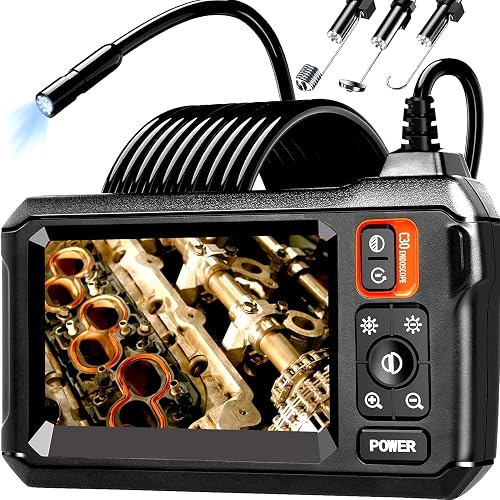


As an Amazon Associate, Muscle Car Fan earns from qualifying purchases. Prices shown are approximate and subject to change.
Who are you using for a pre-purchase inspection — and did it save you from a car you almost bought, or did it find nothing and cost you the deal? Drop your experience in the comments. The good, the bad, and the report that made you walk away.
Related posts:
 Classic Car Insurance in 2026: Best Options for Muscle Car Owners
 How to Finance a Classic Muscle Car in 2026: Every Option Compared
 Best Classic Car Parts Suppliers in 2026: Where to Find What You Actually Need
 Enclosed Auto Transport in 2026: How to Ship Your Muscle Car Without Losing Sleep
 Classic Car Storage in 2026: How to Store Your Muscle Car the Right Way
 Muscle Car Auctions in 2026: What BaT, Mecum and Barrett-Jackson Cost


