
We found 11 1970 Plymouth Road Runner listings across BringATrailer, Hemmings, ClassicCars.com, eBay Motors, and more — here’s what’s available right now and what the market looks like.
The 1970 Road Runner gets overshadowed by the Cuda and the Superbird when people talk Mopar muscle, and that has always seemed backwards to us. This was the last year of the first-generation B-body Road Runner before Plymouth reskinned it for 1971, and it is arguably the best-looking one of the bunch — the ’70 got a revised grille, non-functional rear quarter scoops, and just enough visual attitude to separate it from the ’68-’69 cars without losing the honest, no-frills muscle car formula that made the Road Runner a sales phenomenon in the first place. Spend an afternoon in this segment and the split becomes obvious fast: on one end are honest, numbers-matching or period-correct 383 cars still wearing their original combination, and on the other are big-block resto-mod and Pro Street builds that trade originality for horsepower and modern driveability. Both camps have real buyers right now, and neither one is going away. What surprised us doing this search is how wide the spread has gotten between the two — a caged Pro Street 440 build can undercut a numbers-matching hardtop by $30,000 or more, and a genuine RM27N convertible sits in a different universe entirely.
We found 11 real 1970 Road Runners for sale across dealer and private-seller listings this month, ranging from $35,225 for a wild Pro Street 440 build all the way to $99,983 for a 512ci stroker big-block coupe — with a genuine 1-of-824 RM27N convertible right behind it at $99,500. Texas and Michigan had the deepest inventory this search, and the standout was that convertible out of Celeste, Texas: a real RM27N with its numbers-matching original 383, Air Grabber hood, bucket-seat console interior, and a factory 8-track that the seller says still works. On the other end, a Spring Branch, Texas seller has a Lime Light Pro Street Road Runner running an 11:1 440 stroker with a half cage and slicks — about as far from stock as this platform goes.
Watch: Vanguard Motor Sales Walks Through a 1970 Road Runner
Vanguard Motor Sales, the Ferndale, Michigan dealer known for keeping a deep, rotating inventory of clean muscle and pony cars, posted a fresh walkaround of a 1970 Road Runner from their showroom floor (stock #7790). Vanguard’s videos are a good starting point if you’re still deciding what condition and spec you actually want — their walkarounds tend to spend real time on the underside, the trunk, and the panel gaps instead of just idling the engine for the camera, which matters more on a 55-year-old B-body than almost any other detail. Watch the full walkthrough below before you start cross-shopping the listings underneath it.
As an Amazon Associate I earn from qualifying purchases.
More 1970 Plymouth Road Runner Listings Available Now
These come from dealer and private-seller listings on ClassicCars.com, spanning consignment houses, Gateway Classic Cars’ Las Vegas showroom, and private sellers coast to coast — all re-checked for current availability as of this week.
1970 Plymouth Road Runner Pro Street — $35,225
Lime Light Poly • Spring Branch, Texas • ClassicCars.com (Ruiz Ranch Motors)
Not a numbers-matching car — a built 440 bored .060 over with Trick Flow heads, an 1,100 CFM carb, a reverse-valve-body 727 automatic, and a 5.33-geared Dana 60 with a half cage and drag radials. This is the cheapest car on the list by a wide margin because it is a purpose-built street/strip machine, not a restoration, and the seller is upfront about that.
1970 Plymouth Road Runner — $54,895 (OBO)
Ivy Green Metallic • Phoenix, Arizona • Private Seller
A period-correct 383 Commando 4-barrel car with a 2020 rebuild on the 4-speed pistol-grip transmission, power steering, power front discs, and a thick binder of receipts covering a new clutch, water pump, alternator, and electronic ignition conversion. No sales tax on a private-party deal, and the seller says all offers will be considered.
1970 Plymouth Road Runner Hardtop — $59,900
Morgantown, Pennsylvania • ClassicCars.com (Classic Auto Mall)
A consignment hardtop out of Classic Auto Mall’s 1,000-plus-car Pennsylvania showroom. The listing is light on drivetrain specifics compared to some of the other cars here, so this is one where you’ll want to get the fender tag decode and a phone call before wiring a deposit.
1970 Plymouth Road Runner — $62,995
Cadillac, Michigan • ClassicCars.com
Listed as numbers-matching with a 383 automatic and heads rebuilt roughly 5,000 miles ago. A solid middle-of-the-pack driver-quality option if you want originality without paying convertible-level money.
1970 Plymouth Road Runner Hardtop — $68,500
Celeste, Texas • ClassicCars.com
Sold as a genuine RM23 hardtop restored in its original color combination — the seller leads with the “real RM23” language, which is worth confirming against the fender tag yourself before you get emotionally attached.
1970 Plymouth Road Runner Hardtop — $69,000
Pale Yellow • Morgantown, Pennsylvania • ClassicCars.com (Classic Auto Mall)
Worth calling out for its honesty: the listing openly states this car now runs a 512ci stroker instead of its original 383, and the seller notes real cosmetic flaws — chips, some bubbling paint under the decklid, weathered bumper trim, and panels that aren’t perfectly matched. Refreshing to see a dealer list the imperfections instead of shooting around them.
1970 Plymouth Road Runner — $85,995
Mesa, Arizona • ClassicCars.com
Another Arizona dealer car in the upper-middle of the price range. Like several of the Priority Seller listings here, the marketing copy leans heavily on general Road Runner history rather than car-specific detail — lean on the VIN decode and ask for build-sheet documentation before you commit.
1970 Plymouth Road Runner — $89,000
Sublime Green & Black • Las Vegas, Nevada • Gateway Classic Cars of Las Vegas
A 440-cid car with the 4-speed pistol-grip manual, showing 13,438 miles on a title marked mileage-exempt (true mileage unknown, as is typical on cars this age). Big-block plus stick shift is a combination that tends to hold its value in this segment.
1970 Plymouth Road Runner RM23V 440 6BBL — $89,500
Celeste, Texas • ClassicCars.com
Marketed as a real RM23V six-barrel 440 car with the column-shift 727 automatic — the 440+6 was the top engine option for ’70 and cars carrying that build code command a real premium over the standard 383. Verify the V-code against the fender tag before paying six-barrel money.
1970 Plymouth Road Runner — $99,983
Venice, Florida • ClassicCars.com
The priciest car on the list, and another modified build rather than an original-drivetrain restoration: a 512ci stroker big-block backed by a Tremec 5-speed manual with a pistol-grip shifter and six-pack induction. Beautifully built, but you’re paying for the execution, not for originality — know which one you’re shopping for.
1970 Plymouth Road Runner Convertible — $99,500
Green • Celeste, Texas • ClassicCars.com (American Steel Classics)
The car of the month. A genuine RM27N convertible — 1 of just 824 built in 1970 — with its numbers-matching original 383 engine (the transmission is a correct-type replacement, not the original unit), FJ5 Limelight paint, the N96 Air Grabber hood, bucket-seat console interior, wood steering wheel, and a working AM 8-track. The seller says every accessory functions, down to the power top. Rare, loaded, and priced accordingly.
What the Market Is Telling Us
This search turned up a genuinely wide spread — $35,225 to $99,983, a nearly $65,000 gap — and the reason isn’t mystery or regional pricing quirks, it’s that these 11 cars aren’t really competing in the same category. The bottom of the range belongs to modified builds like the Pro Street 440 out of Texas: purpose-built for the strip, priced like a project car because in spirit it still is one. The top belongs to originality and rarity — the RM27N convertible at $99,500 isn’t expensive because it’s fast, it’s expensive because only 824 of them exist and this one still has its numbers-matching engine and a mile-long factory options list.
A realistic driver-quality 383 hardtop with honest history but no major rarity claims is landing in the $55,000-$70,000 band right now — see the Phoenix and Cadillac cars above. Step up to a documented 440 six-barrel or a genuine RM23V build and you’re solidly in the high-$80,000s. The stroker-powered cars at the top of this list ($69,000 and $99,983) are a reminder that “highest price” doesn’t always mean “most original” — both of those have been pulled from their factory drivetrain, so if numbers-matching originality matters to you, cross-reference the fender tag before the asking price does the talking.
Convertibles are the scarcity story in this segment more than any single engine option. With only 824 built for 1970, a genuine RM27N ragtop is going to command a premium over any hardtop regardless of engine, and that gap looks likely to hold or widen rather than close — there just isn’t a way to make more of them.
What to Check Before You Buy
Rust is the first conversation to have on any ’70 Road Runner, and it shows up in predictable places on this platform: the lower corners of the rear quarter panels near the wheel arches, the trunk pan and the upper trunk gutter, the rocker panels, the bottoms of the front fenders, and the floor pan under the carpet — especially on the driver’s side. Forum members on ForBBodiesOnly and in Barn Finds comment sections consistently flag cracked or re-blistered Bondo over the rear quarters on cars that had cheap cosmetic repairs decades ago, so bring a magnet and check those areas even on a car that looks freshly painted.
On the mechanical side, a rear main seal leak on the 383 and 440 is one of the most commonly reported issues in the Mopar B-body community — forum members on ForBBodiesOnly note it can take more than one attempt to fully cure, since both aftermarket neoprene seals and factory-style rope seals have their own failure modes depending on crank prep and crankcase ventilation. It’s rarely a deal-breaker, but budget for it if you see any wetness at the bellhousing on a test drive. On any of the modified stroker or Pro Street builds here, ask directly who built the engine and whether dyno or tuning documentation exists — a well-sorted custom big-block is worth real money, but an unsorted one can mean an expensive trip back to the machine shop.
For paperwork, decode the fender tag against the VIN yourself rather than trusting the listing copy verbatim — several of these sellers lead with “real RM23” or “numbers matching” language that is worth confirming independently. On a numbers-matching claim specifically, ask whether that covers just the engine block or the drivetrain as a whole; as with the convertible above, it’s common for the engine to be original while the transmission is a correct-type replacement, which is still a good car but a meaningfully different one than a fully matching example.
Gear to Bring When You Go Look at It
If any of these listings have you thinking seriously, these are the tools worth having before you go inspect a classic in person — or hire someone who has them.
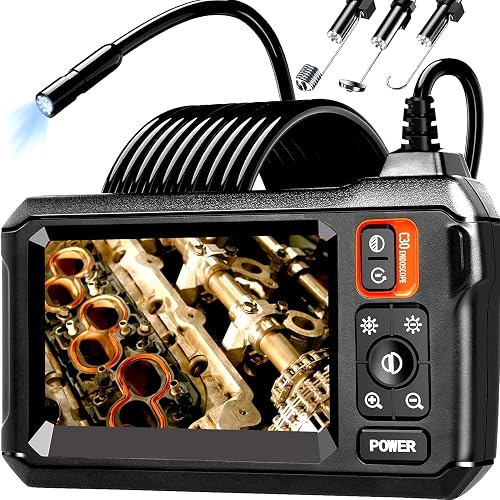


Muscle Car Fan is not affiliated with any car dealers or listing sites linked in this article and earns no commission on vehicle sales. Links are provided for informational purposes only. Always verify current availability directly with the seller.
Which one on this list would you actually buy — and which would you pass on? If you are in the market for a 1970 Plymouth Road Runner right now, what is your number? Drop it in the comments. And if you know of a listing we missed, share the link — the community finds the best ones.
Related posts:
 1969 Pontiac Firebird Trans Am for Sale Right Now: 6 Listings Worth a Look (August 2026)
 1967 Shelby GT500 for Sale Right Now: 13 Listings Worth a Look (August 2026)
 1970 Ford Torino Cobra for Sale: What’s Available Right Now (August 2026)
 1968 Chevelle SS396 for Sale: What’s Available Right Now (September 2026)
 1969 Boss 302 for Sale: What’s Available Right Now (September 2026)
 1970 Boss 429 Mustang for Sale: What’s Available Right Now (September 2026)
 1969 Corvette Stingray for Sale: What’s Available Right Now (September 2026)
 1970 Dodge Super Bee for Sale Right Now: 7 Listings Worth a Look (September 2026)
 1969 Ford Mustang Mach 1 for Sale Right Now: 12 Listings Worth a Look (October 2026)
 1967 Pontiac GTO for Sale: 12 Listings Available Right Now (October 2026)


